Roof rat attic exclusion in Tampa addresses a structural vulnerability common across subtropical Florida properties: the roof rat (Rattus rattus) uses overhanging oak canopies, palm fronds, and utility drops to gain…
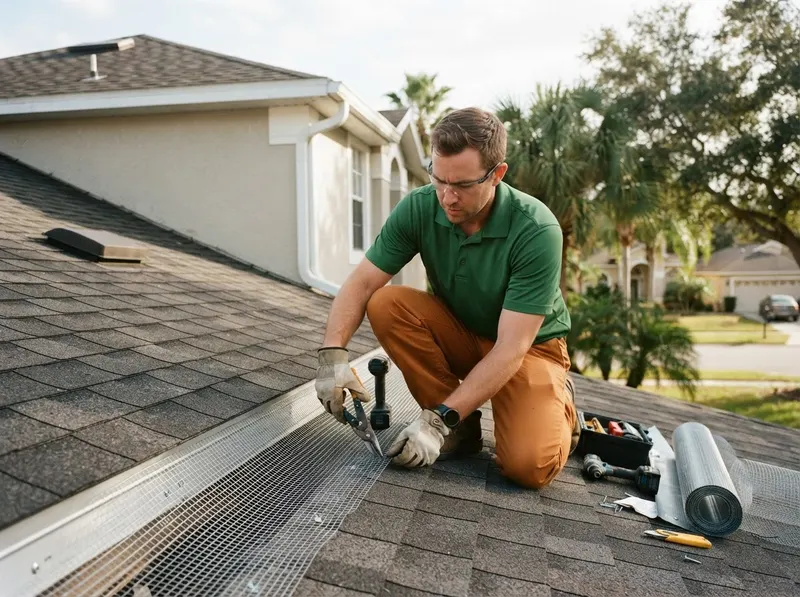
Roof rat attic exclusion in Tampa addresses a structural vulnerability common across subtropical Florida properties: the roof rat (Rattus rattus) uses overhanging oak canopies, palm fronds, and utility drops to gain roofline access. A gap as narrow as 0.5 inches, the diameter of a nickel, allows an adult rodent to compress its skeleton through soffit corners, ridge cap voids, and lead plumbing pipe flashings. In historic neighborhoods like Seminole Heights, Tampa Heights, and Ybor City, aging cedar fascia and exposed heart pine roof decks often develop dry rot, creating immediate entry portals. Newer builds in Westchase and New Tampa often feature unbacked decorative foam architectural details and plastic louvered gable vents that rodents easily gnaw through within 48 hours of discovery.
Effective defense requires understanding the operational difference between routine poison bait stations and physical structural exclusion. Chemical baiting inside living quarters or attics introduces severe hazards: poisoned rodents frequently die inside inaccessible drywall voids, causing pervasive odor and secondary fly infestations for 14 to 21 days, while pet owners in Hyde Park and Davis Islands risk accidental secondary toxicity for domestic dogs and cats. Physical exclusion eliminates toxic hazards by establishing a non-degradable mechanical barrier using 16-gauge, 0.25-inch galvanized steel wire mesh, metal flashing, and industrial polyurethane sealants across every junction where the fascia meets the drip edge. This structural fortification seals the building envelope while snap traps mechanically extract trapped individuals inside the perimeter.
Attic crawlspaces above Palma Ceia and Ballast Point homes frequently conceal compromised R-30 blown fiberglass insulation contaminated with rodent urine and droppings, alongside chewed 12-gauge electrical wiring that presents documented attic fire hazards. A complete restoration strategy involves a three-stage sequence: first, technicians map and seal secondary bypasses along air conditioning chase conduits and roof-wall junctions; second, directional trapping grids extract existing populations over a 5 to 10-day monitoring window; third, contaminated runways receive targeted bio-enzymatic treatment to neutralize pheromone trails that otherwise draw outside colonies. Because tree cover directly impacts re-infestation pressure, properties along Bayshore Boulevard or adjacent to the Hillsborough River require continuous 6-foot clearance cutbacks between mature limb tips and asphalt shingles.
Every job gets a firm, written price after a free on-site visit.
Tell us about your roof rat attic exclusion job in Tampa and we'll send a clear, written quote, usually the same day.
 Palmetto Hawk Pest Control